Photo: Ernest O. Lawrence / Wikimedia Commons, Public domain
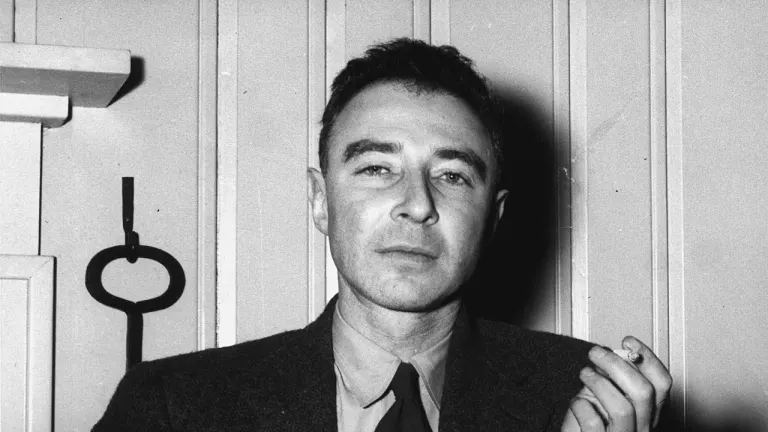
Ernest Orlando Lawrence (1901-1958) came to UC Berkeley in 1928 as an associate professor of physics and two years later became the youngest full professor on campus.
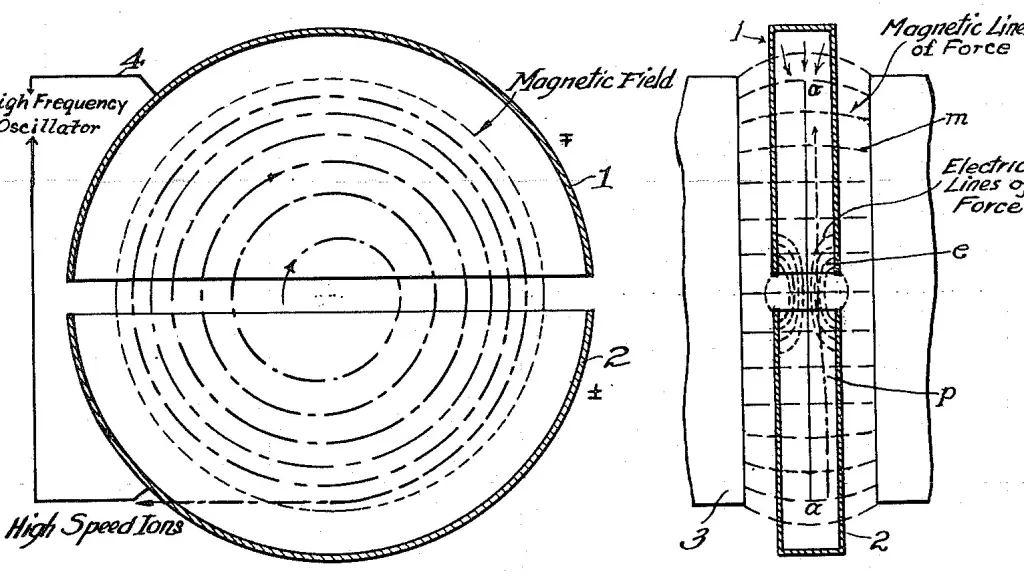
A graduate of the University of South Dakota and the University of Minnesota with a Yale doctorate, Lawrence was in the university library one evening when he saw a diagram of a particle accelerator and wondered how it could be made compact. His idea, a circular accelerating chamber between the poles of an electromagnet, became the first cyclotron. He won the Nobel Prize in Physics in 1939 for the invention.
His Radiation Laboratory became an official university department in 1936 with Lawrence as director. He also promoted medical uses of radioisotopes. During World War II the lab developed electromagnetic uranium isotope separation for the Manhattan Project using devices called calutrons.
Lawrence backed the campaign for a second nuclear weapons laboratory and located it in Livermore. After his death, the University of California Regents renamed both Lawrence Berkeley National Laboratory and Lawrence Livermore National Laboratory for him.